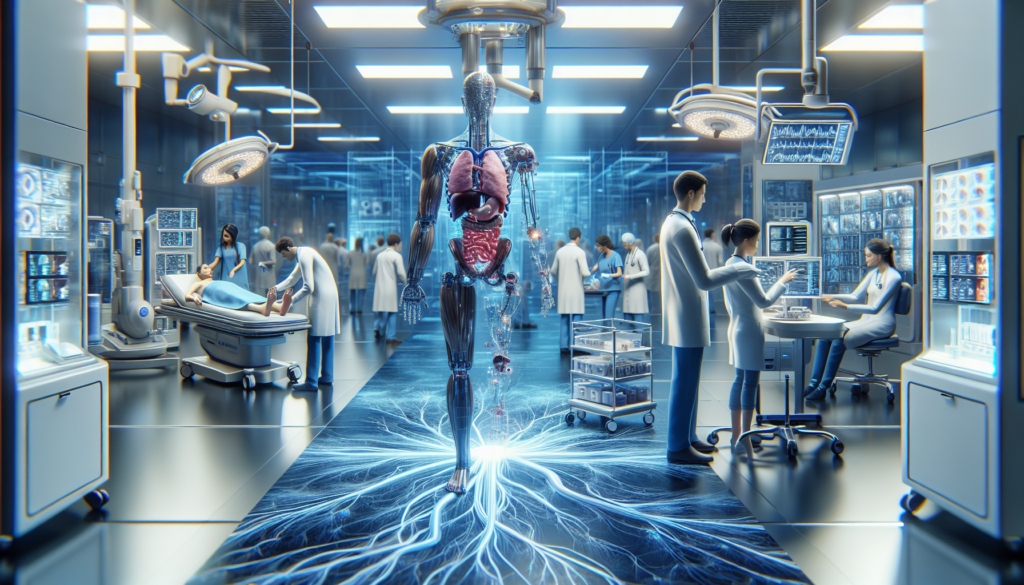


Most of us first heard the term “mRNA vaccine” during the COVID-19 pandemic. It was fast, it was new, and frankly — it was a little intimidating. But here’s what many people don’t realize: that pandemic moment was just the beginning.
The technology behind mRNA vaccines didn’t appear overnight. Scientists had been quietly working on it for decades. COVID-19 simply gave it the world stage it needed. And now that the curtain has been pulled back, researchers everywhere are racing to apply this powerful platform to some of medicine’s toughest challenges — cancer, rare genetic diseases, neurological disorders, and much more.
This article breaks down exactly what mRNA vaccine technology is, how it works, where it’s going, and why it matters for your health — today and in the future. We’ve drawn directly from the latest peer-reviewed research to bring you an accurate, up-to-date picture of where this science stands.
Let’s dive in.
1. What Makes mRNA Vaccine Technology So Revolutionary?
To understand why scientists are so excited about mRNA vaccines, it helps to compare them with traditional vaccines. Classic vaccines typically work by introducing a weakened or inactivated pathogen — or a piece of it — into the body. Your immune system recognizes the foreign substance, mounts a response, and builds a memory so it can fight back faster next time.
mRNA vaccines work differently. Instead of delivering a piece of the virus itself, they deliver genetic instructions. Think of it like handing your cells a recipe card. The cells read the instructions, temporarily produce a harmless piece of the target protein (like a spike protein), and your immune system responds to that protein. Once the job is done, the mRNA breaks down and disappears.
According to a comprehensive review published in Reviews in Recent Clinical Trials, mRNA vaccines deliver genetic instructions to host cells to produce antigenic proteins that trigger robust immune responses — a fundamentally different and more adaptable approach than conventional vaccine platforms that rely on attenuated pathogens or protein subunits.[1]
Here’s why this matters:
- Speed: mRNA sequences can be designed and manufactured quickly. Once a pathogen’s genetic sequence is known, a vaccine candidate can be built within days.
- Flexibility: The same delivery platform can be adapted to target almost any disease, from flu to cancer.
- Precision: The instructions can be customized for individual patients, opening doors to personalized medicine.
- Safety: mRNA never enters the cell nucleus, meaning it cannot alter your DNA.
The COVID-19 pandemic proved this technology could be deployed safely at a massive global scale. But the real story is what comes next.
2. Key Scientific Innovations: Solving the Stability Problem
Here’s the catch with mRNA: it’s fragile. Left alone, messenger RNA degrades quickly. It’s vulnerable to enzymes called RNases that break it down, and it struggles to cross cell membranes on its own. For a long time, this instability was the biggest barrier to making mRNA vaccines practical.
Fortunately, researchers have made tremendous strides in solving these problems. The review by Sharma and colleagues highlights three major formulation strategies that are transforming mRNA stability and effectiveness:[1]
Nucleoside-Modified mRNA
Scientists discovered that by chemically tweaking the building blocks (nucleosides) of mRNA, they could make it more resistant to degradation and less likely to trigger unwanted immune reactions. This modification was key to making the COVID-19 mRNA vaccines work so well, and it’s now a cornerstone of next-generation designs.
Self-Amplifying mRNA (saRNA)
Imagine a vaccine where you need a much smaller dose because the mRNA can copy itself inside your cells. That’s exactly what self-amplifying mRNA does. It includes genetic elements that allow it to replicate, meaning a smaller initial dose can produce a larger and longer-lasting immune response. According to the review published in Biotechnology Advances, self-amplifying mRNAs (saRNAs) can be used to generate durable protein expression, which is especially promising for diseases that require long-term immune protection.[2]
Circular RNA (circRNA)
Traditional mRNA is linear, with two vulnerable ends that enzymes attack first. Circular RNA, as the name suggests, has no free ends. This ring-like structure makes it dramatically more stable and longer-lasting inside the body. Both research teams cited in this article identify circular RNA as one of the most exciting innovations on the mRNA horizon.[1,2]
Together, these innovations address the core scientific challenge that has limited mRNA vaccines for years — fragility — and they are paving the way for a much broader range of applications.
3. Smarter Delivery Systems: Getting the Message to the Right Place
Having great genetic instructions is only half the battle. The other half is getting those instructions safely inside your cells. This is where delivery systems play a critical role.
The most well-known delivery vehicle is the lipid nanoparticle (LNP) — a tiny fat bubble that wraps around the mRNA, protects it from degradation, and fuses with cell membranes to release its cargo inside. LNPs were central to the success of COVID-19 vaccines, and researchers are now refining them significantly.
But LNPs are just the beginning. According to Sharma et al., current research is exploring a range of delivery vectors, including:[1]
- Polymeric nanoparticles: Plastic-like particles that can be engineered to release mRNA slowly and steadily over time.
- Lipid-polymer hybrids: Combining the best features of both LNPs and polymeric nanoparticles for improved stability and targeting.
The next frontier, as Karwa and Sakle describe in Biotechnology Advances, involves making delivery systems smarter and more targeted. Key developments include:[2]
- GalNAc conjugation: A sugar molecule that guides RNA directly to liver cells, useful for treating liver diseases.
- Ligand-targeted LNPs: Nanoparticles fitted with molecular “keys” that unlock specific cell types, enabling delivery beyond the liver to the lungs, muscles, brain, and more.
- Peptide conjugates: Short protein chains that escort RNA to precise locations in the body.
- Engineered exosomes: Natural cellular vesicles repurposed as biological delivery vehicles, potentially offering better biocompatibility and reduced immune reaction.
Perhaps most exciting is the role of artificial intelligence (AI) in this field. AI-enhanced design is accelerating the optimization of RNA sequences, chemical modifications, and delivery vectors — dramatically shortening the time it takes to develop effective new therapies.[2]
What this means for patients: future mRNA treatments may not just be injected into the arm and spread throughout the body. They may be engineered to find and target exactly the right cells — whether in a tumor, a damaged nerve, or a diseased organ.
4. Beyond Vaccines: mRNA Technology in Cancer, Neurology, and Rare Diseases
This is where things get truly exciting. The same mRNA platform that produced COVID-19 vaccines is now being pointed at some of medicine’s most formidable opponents.
Cancer Immunotherapy and Personalized Cancer Vaccines
Cancer is not a single disease — it’s thousands of diseases, each with its own genetic fingerprint. Traditional treatments like chemotherapy attack rapidly dividing cells broadly, often damaging healthy tissue in the process. mRNA vaccines offer a radically different approach.
Scientists can now analyze a patient’s tumor, identify its unique mutations (called neoantigens), and design a personalized mRNA vaccine that teaches the immune system to recognize and destroy that specific cancer. Sharma and colleagues highlight the use of mRNA vaccines for cancer immunotherapy and personalized medicine as one of the most promising clinical applications of this technology.[1]
Imagine a vaccine tailored to your cancer, manufactured within weeks of diagnosis. This is no longer science fiction — clinical trials are actively testing this concept.
Neurological Disorders
Delivering therapies to the brain has always been one of medicine’s greatest challenges, partly because of the blood-brain barrier — a highly selective membrane that blocks most drugs from entering the central nervous system. New RNA-based approaches, including ADAR-directed base editors (which can precisely edit RNA transcripts inside the body) and advanced delivery systems, are opening potential pathways to treat neurological diseases at the molecular level.[2]
Metabolic and Rare Genetic Disorders
Many rare genetic diseases are caused by faulty genes that either produce wrong proteins or fail to produce the right ones. RNA therapeutics — including splice-switching antisense oligonucleotides (ASOs) and small-molecule splicing modulators — can now correct these errors at the RNA level, before they become faulty proteins. As Karwa and Sakle explain, these systems enable precision splicing modulation, extending therapeutic applications to metabolic diseases and rare genetic disorders.[2]
The bottom line: we are moving from vaccines that prevent disease to RNA platforms that can treat — or even cure — diseases that once had no options.
5. mRNA Vaccines for Healthy Aging: Protecting Our Elderly Population
Here’s a truth that doesn’t get enough attention: aging changes your immune system. As we grow older, our immune function declines through two related processes — immunosenescence (the gradual weakening of immune responses) and inflammaging (a state of chronic, low-grade inflammation that underlies many age-related diseases).
This dual threat means older adults are more vulnerable to infections, respond less robustly to standard vaccines, and are more likely to suffer serious complications from illnesses that younger people might shake off in a few days.
A major review published in Human Vaccines & Immunotherapeutics by Gomez Rial and colleagues frames “immunofitness” as a practical and achievable goal for healthy aging — and places vaccination at the center of the strategy.[3]
The evidence they present is compelling:
- Vaccines against influenza, RSV, pneumococcus, COVID-19, and shingles in older adults have been associated with reductions in respiratory events, cardiovascular outcomes, hospitalization, and mortality.[3]
- Some vaccines do more than protect against a single disease — they can reprogram innate immune cells through a mechanism called “trained immunity,” providing broader, heterologous protection beyond the target pathogen.[3]
- New vaccine technologies, including mRNA platforms and advanced adjuvants, may further improve protection in the elderly by generating stronger, more targeted immune responses.[3]
The review also emphasizes precision vaccinology — the idea of tailoring vaccination schedules based on a person’s immune age, comorbidities, and frailty status, rather than simply their chronological age.[3]
This is a meaningful shift in how we think about vaccines for seniors. Rather than a one-size-fits-all approach, future vaccination strategies may be individually calibrated — and mRNA technology, with its inherent flexibility, is perfectly suited to deliver on that promise.
The authors also stress something critically important: vaccination works best as part of a broader lifestyle approach. Combining vaccines with good nutrition, regular exercise, adequate sleep, and management of chronic conditions creates a comprehensive strategy for maintaining immune fitness well into old age.[3]
6. Challenges Ahead: What Still Needs to Be Solved
It would be misleading to paint mRNA technology as a perfect solution. The science is powerful, but real challenges remain — and being honest about them is just as important as celebrating the breakthroughs.
Cold-Chain Dependence
One of the most persistent practical problems with current mRNA vaccines is that they require very cold storage temperatures. The Pfizer-BioNTech COVID-19 vaccine, for example, originally required storage at -70°C — a logistical nightmare for many parts of the world. While progress has been made, cold-chain dependence remains a major limitation for global distribution, particularly in low- and middle-income countries.[1]
Ongoing research in thermostabilization — making mRNA vaccines stable at room temperature or standard refrigerator temperatures — is a critical priority for equitable global health access.
Reactogenicity
Some people experience side effects after mRNA vaccination — arm soreness, fatigue, fever, and chills. These are largely signs of the immune system doing its job, but they can be uncomfortable and can deter vaccine uptake. Sharma et al. identify reactogenicity as a remaining limitation that research must continue to address through improved formulation strategies.[1]
Delivery Beyond the Liver
Current LNP-based delivery systems tend to accumulate predominantly in the liver. For many RNA therapeutics that target other organs — lungs, brain, muscles, tumors — achieving efficient extrahepatic delivery is still a significant technical challenge. Innovations in ligand-targeted LNPs, peptide conjugates, and engineered exosomes are actively tackling this problem, but clinical validation is still in progress.[2]
Immune Stimulation Control
mRNA is naturally recognized by the immune system as a foreign substance — after all, bacteria and viruses use RNA too. While this immune recognition can be beneficial for vaccines, it can also cause unwanted inflammatory responses in therapeutic contexts. Early RNA therapeutics were limited by immune stimulation, and achieving the right balance between triggering a protective response and avoiding harmful inflammation remains an active area of research.[2]
Regulatory and Manufacturing Considerations
As mRNA therapies expand to entirely new indications — personalized cancer vaccines, gene editing, rare diseases — regulatory agencies face new questions about safety standards, manufacturing consistency, and approval frameworks. Sharma and colleagues emphasize that continued advances in regulatory approval frameworks will be essential for expanding mRNA applications across therapeutic domains.[1]
None of these challenges are insurmountable. In fact, the pace of progress in each of these areas has been remarkable. But acknowledging them honestly is essential for setting realistic expectations and maintaining public trust.
Conclusion
We are living through one of the most exciting periods in the history of medicine. mRNA vaccine technology — thrust into public consciousness by COVID-19 — is rapidly evolving into something far broader and more transformative than a single-disease solution.
From personalized cancer vaccines to treatments for rare genetic disorders, from protecting elderly immune systems to correcting neurological diseases at the molecular level, the potential applications of mRNA and RNA therapeutics are vast and still unfolding.
The science is moving fast. Nucleoside modifications, self-amplifying mRNA, circular RNA, targeted lipid nanoparticles, AI-optimized delivery systems, and precision vaccinology are all converging toward a future where therapies are smarter, faster, and more personalized than anything we’ve seen before.
Challenges remain — cold-chain logistics, reactogenicity, extrahepatic delivery, and regulatory frameworks all need continued attention. But the trajectory is undeniably forward.
For patients, caregivers, and healthcare professionals, the message is clear: mRNA technology is not a pandemic footnote. It is the foundation of a new chapter in medicine. Understanding it — even at a basic level — will help all of us make more informed decisions about our health and the health of those we love.
Stay curious. Stay informed. And as always — talk to your healthcare provider about what these advances might mean for you personally.
References
- Sharma N, Sharma M, Sharma A, Anam, Bhardwaj S. Stability-centric Development of mRNA Vaccines: A Comprehensive Review of Design, Delivery, and Regulatory Considerations. Rev Recent Clin Trials. 2026 Mar 17. doi: 10.2174/0115748871396452251203154434. PMID: 41863227.
- Karwa PN, Sakle NS. RNA therapeutics 2.0: Expanding the landscape from mRNA vaccines to splicing modulators and beyond. Biotechnol Adv. 2026 Jul-Aug;89:108862. doi: 10.1016/j.biotechadv.2026.108862. Epub 2026 Mar 4. PMID: 41791686.
- Gomez Rial J, Redondo E, Rivero-Calle I, Mascarós E, Ocaña D, Jimeno I, Gil Á, Linares M, Onieva-García MÁ, González-Romo F, Yuste J, Martinón-Torres F. Immunofitness in the elderly: The role of vaccination in promoting healthy aging. Hum Vaccin Immunother. 2026 Dec;22(1):2624234. doi: 10.1080/21645515.2026.2624234. Epub 2026 Feb 10. PMCID: PMC12893699. PMID: 41665459.